
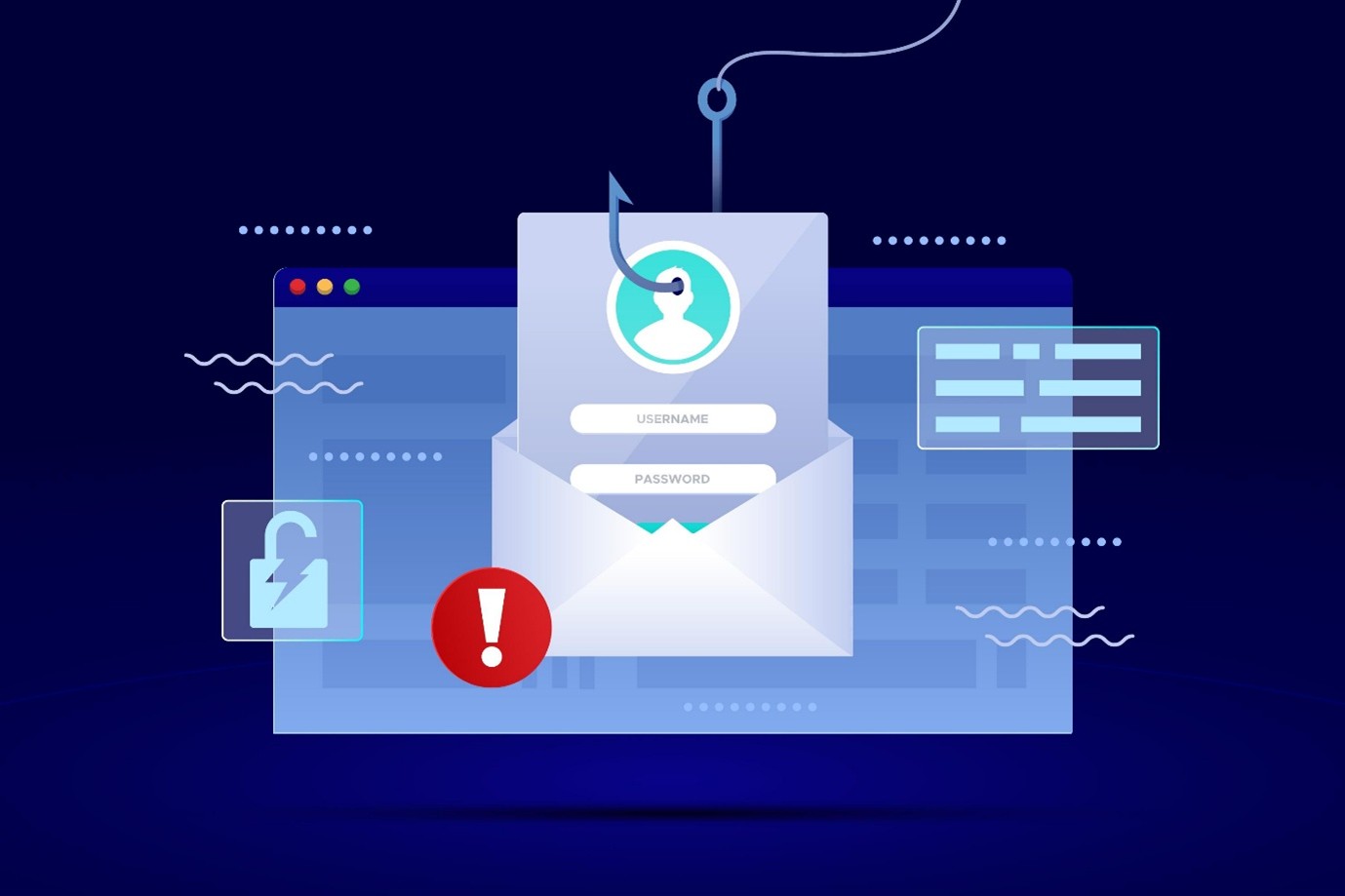
Why do People Still Fall for Phishing
Phishing remains one of the most persistent and damaging cyber threats facing organisations today. Despite years of awareness campaigns and technological defences, employees continue to click on suspicious links, download malicious attachments, or share sensitive information with attackers. The question is: why does phishing still work, and what can businesses do to reduce the risk?
Why phishing occurs
Phishing succeeds because it exploits human psychology rather than technical weaknesses. Attackers rely on urgency, fear, curiosity, or authority to trick people into acting quickly without thinking. For example:
Urgency: “Your account will be locked unless you act immediately.”
Authority: Messages appearing to come from senior executives or IT support.
Curiosity or reward: Fake invoices, shipping notices, or prize notifications.
Even the most tech-savvy employees can be caught off guard when an email looks convincing and arrives at the right moment. Phishing campaigns are also becoming increasingly sophisticated, using personalized details and professional branding to bypass suspicion
The Issue of Phishing
The consequences of a successful phishing attack can be severe:
Data breaches exposing customer or employee information.
Financial losses through fraudulent transfers or ransomware.
Reputational damage that erodes trust with clients and partners.
Because phishing targets people rather than systems, traditional security tools alone cannot eliminate the risk. Human vigilance is the critical line of defence.
Phishing is no longer limited to suspicious emails. Attackers use multiple channels to reach victims:
Email phishing: The most common form, often disguised as invoices, password resets, or internal requests.
Spear phishing: Highly targeted attacks aimed at specific individuals, often using personal details.
Smishing: Text messages that trick users into clicking malicious links.
Vishing: Phone calls impersonating banks, IT departments, or government agencies.
Business Email Compromise (BEC): Fraudulent emails appearing to come from executives, often requesting urgent payments.
Recognising these different forms is essential for building resilience.
Achieving Compliance and Vigilance
Compliance with security policies is often the biggest challenge. Employees may see training as a checkbox exercise or underestimate the risks. To foster real engagement, businesses should:
Make training practical: Use real-world examples and interactive sessions.
Keep it regular: Cyber threats evolve constantly, so training must be ongoing.
Test awareness: Phishing simulations help employees practise spotting suspicious messages.
Reward vigilance: Positive reinforcement encourages staff to report suspicious activity.
Compliance isn’t just about following rules; it’s about creating a culture where security is everyone’s responsibility.
How We Help Businesses Stay Secure
At Small Business IT Support London, we understand that technology alone cannot stop phishing. That’s why we provide comprehensive solutions designed to keep people vigilant:
Regular training programmes tailored to different roles and levels of technical expertise.
Phishing simulations that safely test employee responses and highlight areas for improvement.
Clear policies and checklists that make it easy for staff to know what to do when they encounter suspicious activity.
Final Thoughts
By combining education, testing, and actionable reporting, we help organisations build a proactive defence against phishing. The goal is not just compliance but confidence in ensuring employees feel empowered to protect themselves and the business. To learn further about how to protect yourself from phishing, contact us at 02033939714 or book your free consultation.